

Ecommerce AI Automation Checklist to Avoid Workflow Bottlenecks
Ecommerce teams rely increasingly on AI to automate repetitive tasks, yet workflow bottlenecks can stall progress and reduce the benefits of AI business automation. This guide offers a practical checklist to spot and fix common issues in ecommerce AI automation workflows using AI agents tools and business process automation tools. You’ll learn how to create smooth AI workflows, deploy a digital workforce effectively, and maintain control without code.
Key Takeaways
- Identify common bottlenecks in ecommerce AI automation workflows early.
- Use AI agents to automate repetitive tasks without losing control.
- Leverage business process automation tools for scalable digital employees.
- Implement no-code workflow AI solutions to speed deployment.
- Maintain visibility with live workflow boards for instant issue detection.
- Overlapping tasks causing duplicated effort.
- Lack of clear triggers, leading to stalled workflows.
- Poor integration with existing tools like Gmail, Drive, or Slack.
- Manual approval delays without streamlined oversight.
- Using multiple disconnected AI agents tools that don’t communicate.
- Define Clear Outcomes, Not Just Tasks
- Choose the Right AI Agents for Each Task
- Leverage Premade Workflows and Marketplace Agents
- Automate Trigger Conditions and Scheduling
- Maintain Human Approval Loops
- Monitor Workflows in Real-Time
- Integrate All Tools in One Workspace
- Run multiple AI agents simultaneously without conflicts.
- Automate end-to-end workflows with no coding.
- Scale automation easily by adding AI agents as needed.
- Fast setup and iteration.
- Easy customization with guardrails to prevent errors.
- Seamless integration with your existing tools.
- Define clear outcomes for your workflows.
- Use specialized AI agents tools and premade workflows.
- Automate triggers and maintain human approvals.
- Monitor progress live to catch issues early.
- Expand your digital workforce to handle repetitive tasks.
What Causes Bottlenecks in Ecommerce AI Automation?
Workflow bottlenecks happen when AI automation lacks coordination or visibility. Common causes include:
Understanding these pain points is the first step to fixing them.
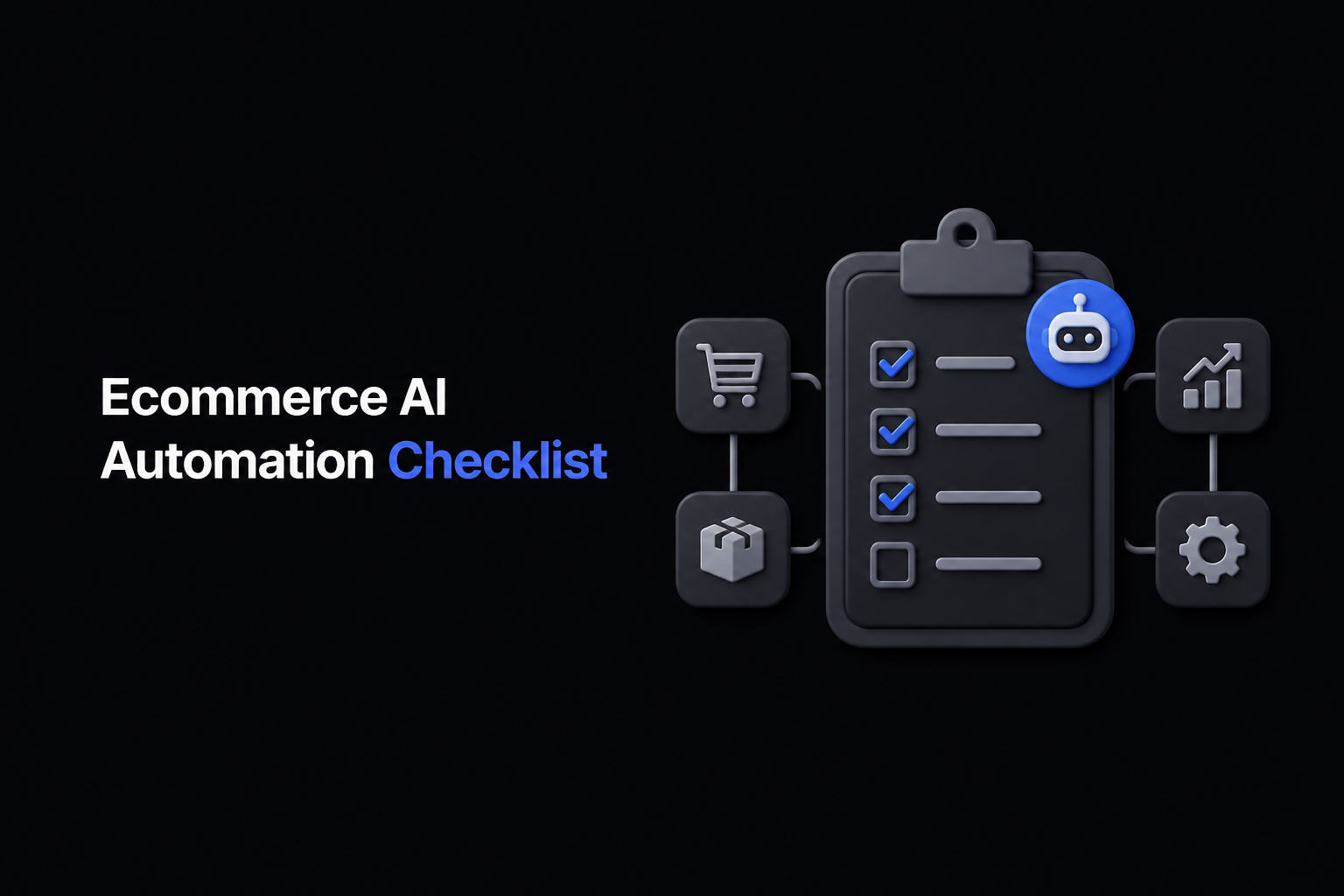
Checklist to Prevent Ecommerce AI Workflow Bottlenecks
Start by describing the desired business outcome rather than just automating individual tasks. DIMA’s workflow AI automatically selects and coordinates the right AI agents to achieve your goals.
Use specialized AI agents tools designed for your platforms (e.g., Gmail, Drive, Slack) to avoid miscommunication and errors.
Don’t build from scratch—grab proven workflows and tweak them to your needs for faster deployment.
Set custom triggers and schedules to start workflows automatically, reducing manual intervention and wait times.
Keep control by reviewing and approving outputs before final execution. DIMA’s platform keeps human-in-the-loop without slowing automation.
Use live Kanban boards to watch every agent’s progress, quickly spot issues, and take over when necessary.
Connect your existing apps once per workspace to ensure smooth data flow and reduce setup complexity.
How a Digital Workforce Removes Bottlenecks
A digital workforce—AI employees assigned specific tasks—takes on repetitive work immediately. These AI agents tools free up human employees to focus on strategic decisions, speeding up operational processes. With DIMA’s digital workforce, you can:
This approach effectively eliminates bottlenecks caused by manual handoffs and siloed tools.
Building No-Code AI Workflows That Scale
Not all ecommerce teams have developers to build complex automation. No-code workflow AI platforms like DIMA let anyone describe a workflow in plain language. The AI then assembles and runs the steps, assigning tasks to the right agents automatically. Key benefits include:
This simplicity encourages adoption and reduces errors that cause bottlenecks.
Real-World Example: Automating Lead Contact and Client Nurture
An ecommerce team used DIMA’s AI agents tools to automate lead outreach and follow-ups:
| Workflow Step | AI Agent Tools Used | Outcome |
|---|---|---|
| Lead Finder | Web crawler + Claude AI | Identified qualified leads faster |
| Lead Contact | Gmail + Docs AI agent | Sent personalized first emails |
| Client Nurture | Gmail + Calendar + Slack | Automated timely follow-ups |
This automation reduced manual effort by 70%, eliminated delays, and kept the sales pipeline moving smoothly.
FAQs
What are the best business process automation tools for ecommerce?
Tools like DIMA offer AI agents specialized for ecommerce tasks, combined with no-code workflow builders and integrations with Gmail, Slack, and Drive.
How do AI agents improve ecommerce workflows?
AI agents handle repetitive tasks such as email outreach, data entry, and meeting prep, allowing human employees to focus on creative and strategic work.
Can ecommerce AI automation run without manual approvals?
Yes, but maintaining approval loops helps catch errors and keeps control, especially when automating client communications or financial processes.
How do I monitor my ecommerce AI workflows in real time?
Platforms like DIMA provide live Kanban boards showing each agent’s progress, delays, and issues, enabling instant troubleshooting.
How quickly can I deploy AI business automation?
With no-code platforms and premade workflows, you can start automating processes within minutes, not weeks.
Conclusion
To avoid ecommerce AI automation bottlenecks:
Ready to streamline your ecommerce business automation with a digital workforce? Start a free trial or book a demo at DIMA Automation and put your workflows on autopilot today.
 DIMA
DIMA