

How to Build a Business AI System That Controls Free AI Usage Safely
Organizations adopting AI face the challenge of balancing the benefits of free AI tools with the risks of uncontrolled usage. Without a clear system, AI work can become insecure, inefficient, or inconsistent, putting your business system at risk. This guide explains how to build a practical business AI system that safely manages free AI tools, ensuring smooth AI adoption and controlled AI work.
Key Takeaways
- Establish clear policies for free AI tool usage within your business system.
- Use centralized platforms to monitor and control AI work and data flow.
- Integrate AI tools like Claude AI automation for secure and scalable workflows.
- Train teams on AI adoption best practices to mitigate risks.
- Balance free AI access with governance to maintain productivity and control.
- Data privacy and security standards.
- Approval workflows for AI-generated content.
- Usage limits on free AI tools to avoid sprawl.
- Roles and responsibilities for AI work oversight.
- Monitoring AI outputs before publishing.
- Tracking AI usage across teams.
- Automating repetitive tasks with Claude AI automation features.
- Ensuring human approval stages to maintain quality.
- AI-powered agents that follow defined business rules.
- Automated content generation with human oversight.
- Secure data handling compliant with enterprise standards.
- Understanding risks like data exposure.
- Following approval and security workflows.
- Using centralized platforms to reduce tool fragmentation.
- Recognizing when AI output needs human revision.
- Defining clear AI policies.
- Centralizing AI workflows with platforms like DIMA AI.
- Leveraging Claude AI automation for secure processing.
- Training teams on responsible AI adoption.
- Balancing free AI access with governance controls.
Why Controlling Free AI Usage Matters in Business AI Adoption
Free AI tools offer easy access to powerful capabilities but often lack built-in controls for security, compliance, and consistent output quality. Unregulated use can lead to data leaks, inconsistent brand voice, and workflow inefficiencies. A well-designed business AI system addresses these issues by setting boundaries and integrating free AI tools into a controlled environment.
Step 1: Define Your Business AI Policies and Objectives
Before integrating any AI tools, clarify what types of AI work are allowed and how free AI can be used. Policies should cover:
These policies form the foundation of your business system and guide safe AI adoption.
Step 2: Centralize AI Workflows with an All-in-One Platform
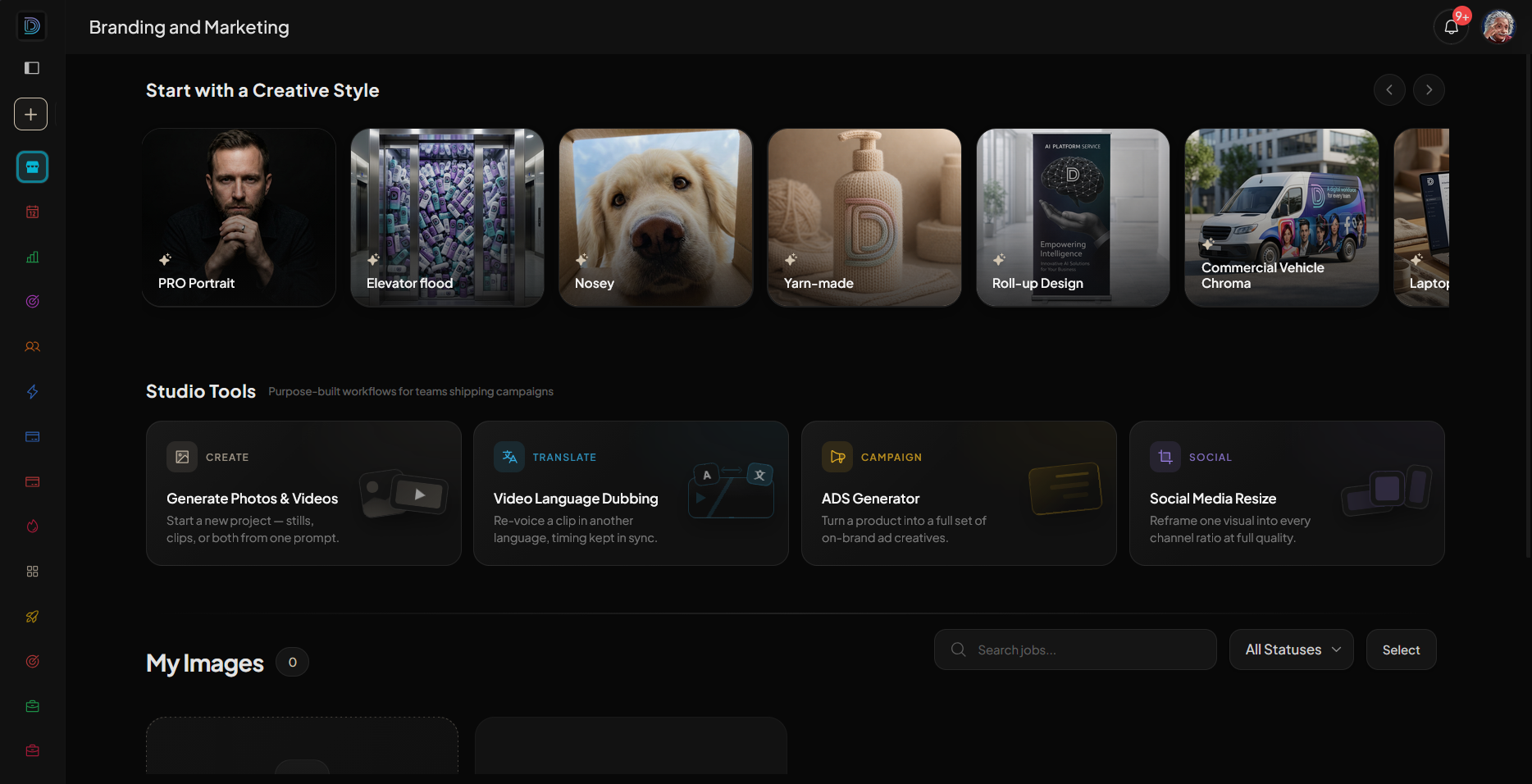
Using a unified workspace like DIMA AI helps centralize AI tools, including free AI options, under consistent governance. This platform approach enables:
Centralization reduces risks of uncontrolled AI work and tool sprawl.
Step 3: Integrate Claude AI Automation for Secure AI Processing
Claude AI automation provides a scalable, secure way to handle complex AI workflows within your business system. Benefits include:
Integrating Claude AI automation helps enforce control while enabling efficient AI work.
Step 4: Train Teams on Safe AI Tool Usage and AI Adoption
Successful AI adoption depends on your people knowing how to use free AI tools responsibly. Training should cover:
Ongoing education empowers teams to contribute safely and productively.
Step 5: Balance Free AI Access with Business System Controls
Allowing free AI access encourages innovation and experimentation but requires guardrails to protect your business system. Consider:
| Aspect | Approach | Purpose |
|---|---|---|
| Access | Role-based with limits | Prevent unmonitored use |
| Data Security | Encryption and audit trails | Protect sensitive information |
| Output Quality | Human approval checkpoints | Maintain brand consistency |
| Tool Management | Centralized dashboard | Reduce AI tool sprawl |
This balance ensures AI work is efficient and compliant.
FAQ
What are the main risks of using free AI tools at work?
Free AI tools can expose sensitive data, produce inconsistent outputs, and lack workflow controls, leading to security and quality issues.
How does Claude AI automation improve business AI control?
Claude AI automation enables customizable AI workflows with built-in governance, human approval, and secure data handling, reducing risks.
Can free AI tools be integrated into a business system?
Yes, when used within centralized platforms like DIMA AI, free AI tools can be governed effectively to support secure AI work.
How do I prevent AI tool sprawl in my marketing team?
Centralize AI tools in a unified workspace, enforce usage policies, and monitor AI workflows regularly to avoid fragmentation.
What training is recommended for AI adoption?
Train teams on data security, tool usage policies, approval processes, and recognizing AI output limitations to ensure safe adoption.
Conclusion
Building a business AI system that controls free AI usage safely involves:
Start your trial with DIMA AI today to experience how an all-in-one AI workspace can help manage your AI tools and workflows securely and efficiently.
 DIMA
DIMA